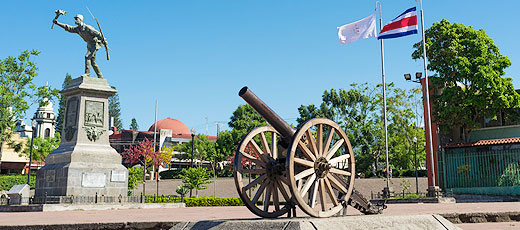
History of Costa Rica
 History of Costa Rica
Early Inhabitants:
Costa Rica’s history begins long before European exploration. As early as 10,000 BCE, indigenous peoples lived in small communities across the land, organized under cacicazgos (chiefdoms) with local leaders called cacicques. These societies cultivated crops, hunted, and developed rich artistic traditions in pottery, stone, and gold.
European Discovery:
In 1502, Christopher Columbus arrived on the eastern coast of Costa Rica during his fourth voyage. He named the region the “Rich Coast” (Costa Rica) because he believed it was filled with gold after seeing natives adorned with gold jewelry. However, Spanish conquistadors quickly realized the area lacked significant treasures and largely bypassed it in favor of other territories.
Colonial Period:
Spanish settlers returned in 1563 and founded Cartago, Costa Rica’s first permanent settlement. Over the next 250 years, Costa Ricans lived under Spanish rule, developing agriculture-based communities. Despite colonial pressures, the region remained sparsely populated and relatively autonomous compared to other Central American colonies.
Independence:
On September 15, 1821, Costa Rica declared independence from Spain along with other Central American provinces, forming the República de Costa Rica. Since then, Costa Rica has maintained political stability and peaceful governance, becoming known as one of the most democratic countries in the region.
Coffee & Economic Development:
Coffee cultivation began in the early 19th century, with the first exports in 1820. Coffee became a major export crop, bringing wealth and fostering infrastructure development. Later, bananas and other crops joined coffee as key exports. The completion of the cross-country railroad in 1910 boosted trade and economic growth.
Tourism & Biodiversity:
Today, tourism drives Costa Rica’s economy, accounting for over 11% of GDP (2019). Visitors are drawn to its incredible biodiversity, pristine beaches, cloud forests, volcanoes, and wildlife. Costa Rica dedicates over 25% of its land to protected national parks and reserves.
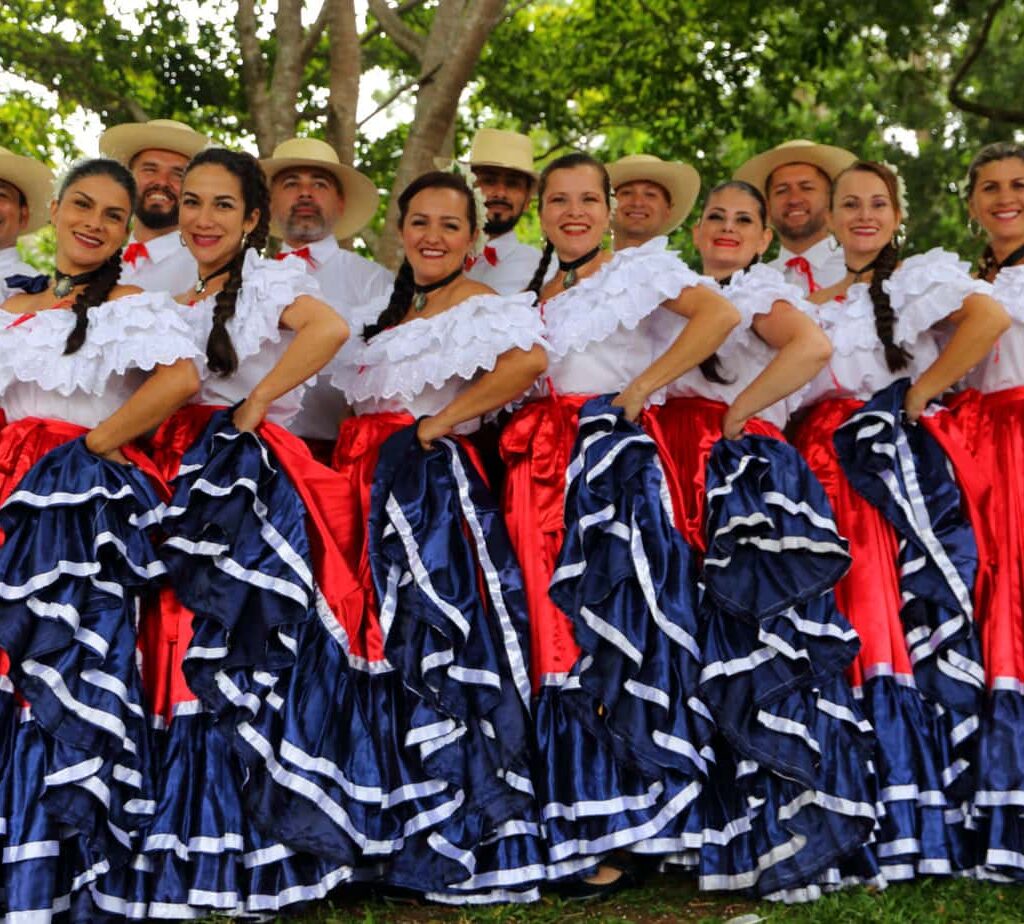
Costa Rican Culture
 Culture of Costa Rica
Government & Society:
Costa Rica is a democratic republic. Unlike many of its Central American neighbors, it has no military since 1948, emphasizing peace, education, and social development. Healthcare and education are free for all citizens, reflecting the country’s commitment to well-being.
Cultural Influences:
Costa Rican culture is shaped by European (mainly Spanish), indigenous, Afro-Caribbean, and Asian (notably Chinese) influences. Spanish is the official language, and Catholicism is the predominant religion (52–55%). Indigenous heritage is reflected in crafts, cuisine, festivals, and art.
Lifestyle & Happiness:
Known for the phrase Pura Vida, Costa Rica consistently ranks among the happiest nations. Costa Ricans, or ticos, are known for their friendliness and welcoming spirit. Life expectancy averages around 80 years, and the country emphasizes health, community, and environmental sustainability.
Modern Costa Rica:
Costa Rica continues to grow as a progressive, eco-conscious country. Its focus on education, healthcare, and environmental preservation has made it a model in Latin America. The nation blends rich cultural heritage with natural beauty, offering a unique experience for residents and visitors alike.
Stay at Casa Armonía
Your home base near Playas del Coco — minutes from beaches, restaurants, and the pura vida lifestyle.